
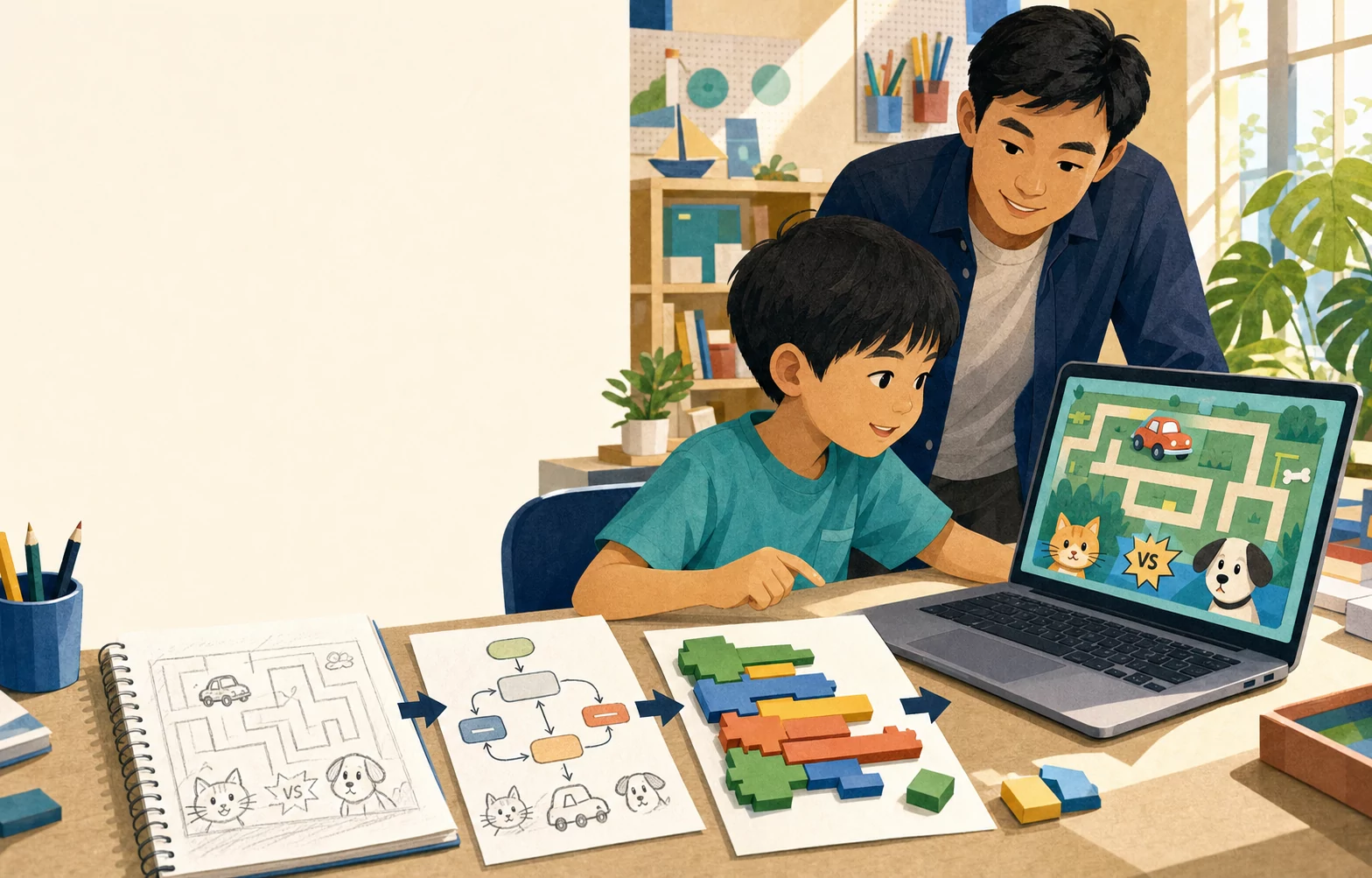
From an Idea to a Playable Game: How Children Learn to Build With AI
A finished game requires more than generated code. See how children move from an idea to rules, interfaces, testing and a project they can explain.
Read article →Answers about Kids Playroom, after-school routines, play and life near Mega Bangna from the team operating the space.
A finished game requires more than generated code. See how children move from an idea to rules, interfaces, testing and a project they can explain.
Read article →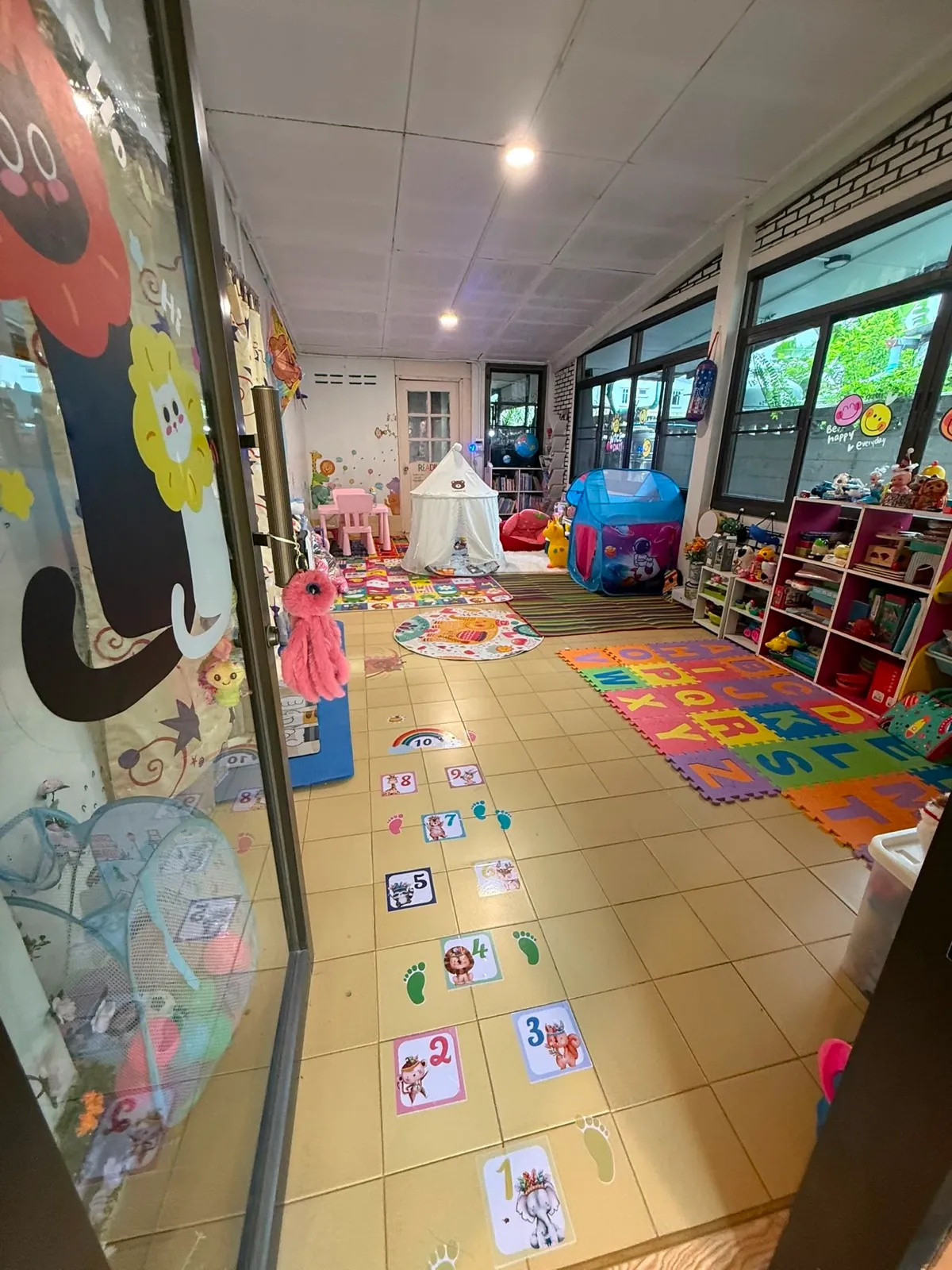
Prepare for a first Kids Playroom visit with comfortable clothes, essential child information and a realistic plan for one or two hours.
Read article →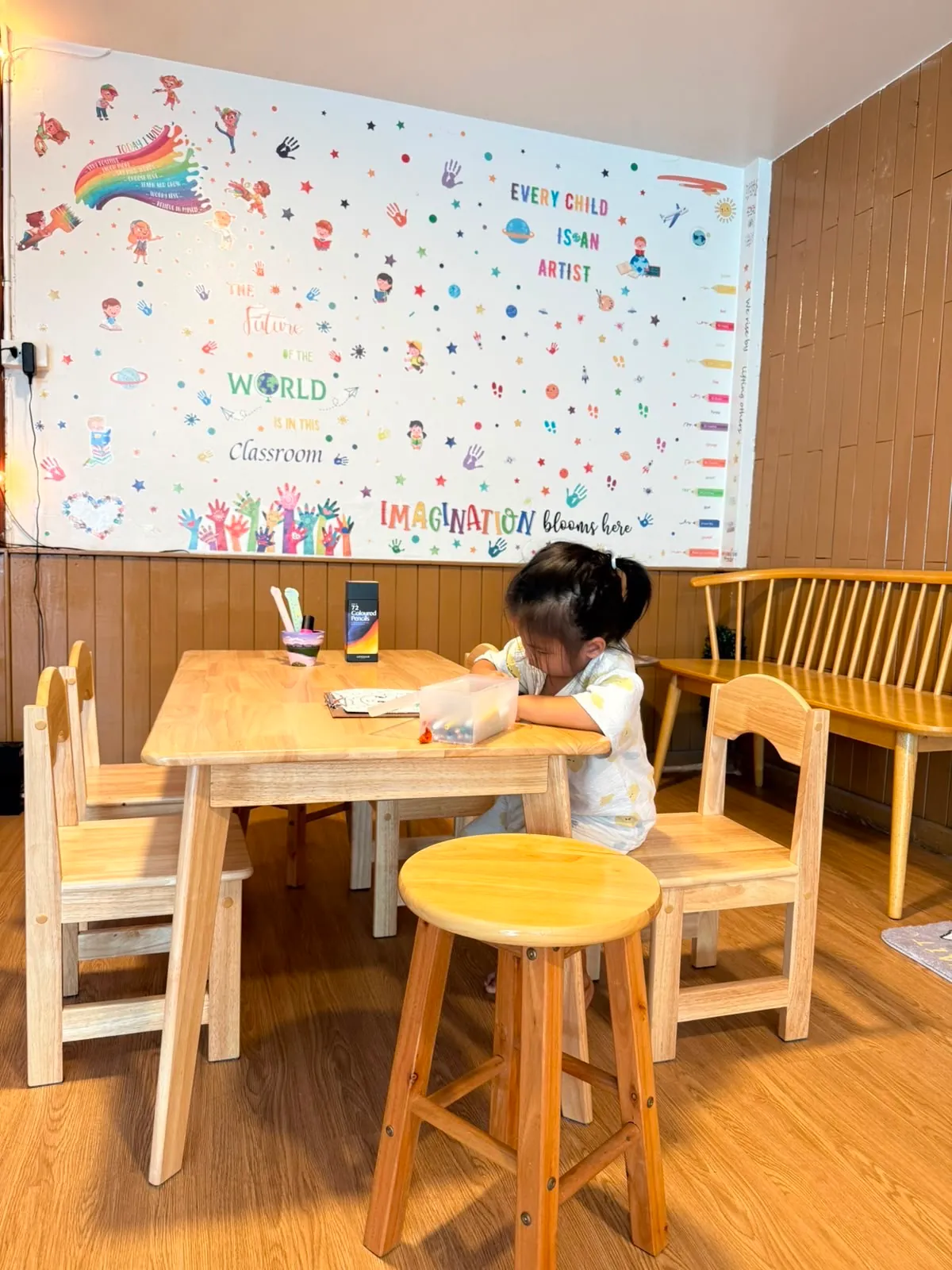
A child can enjoy drawing, clay and building without being ready for a formal class. Start with choice, shorter visits and manageable materials.
Read article →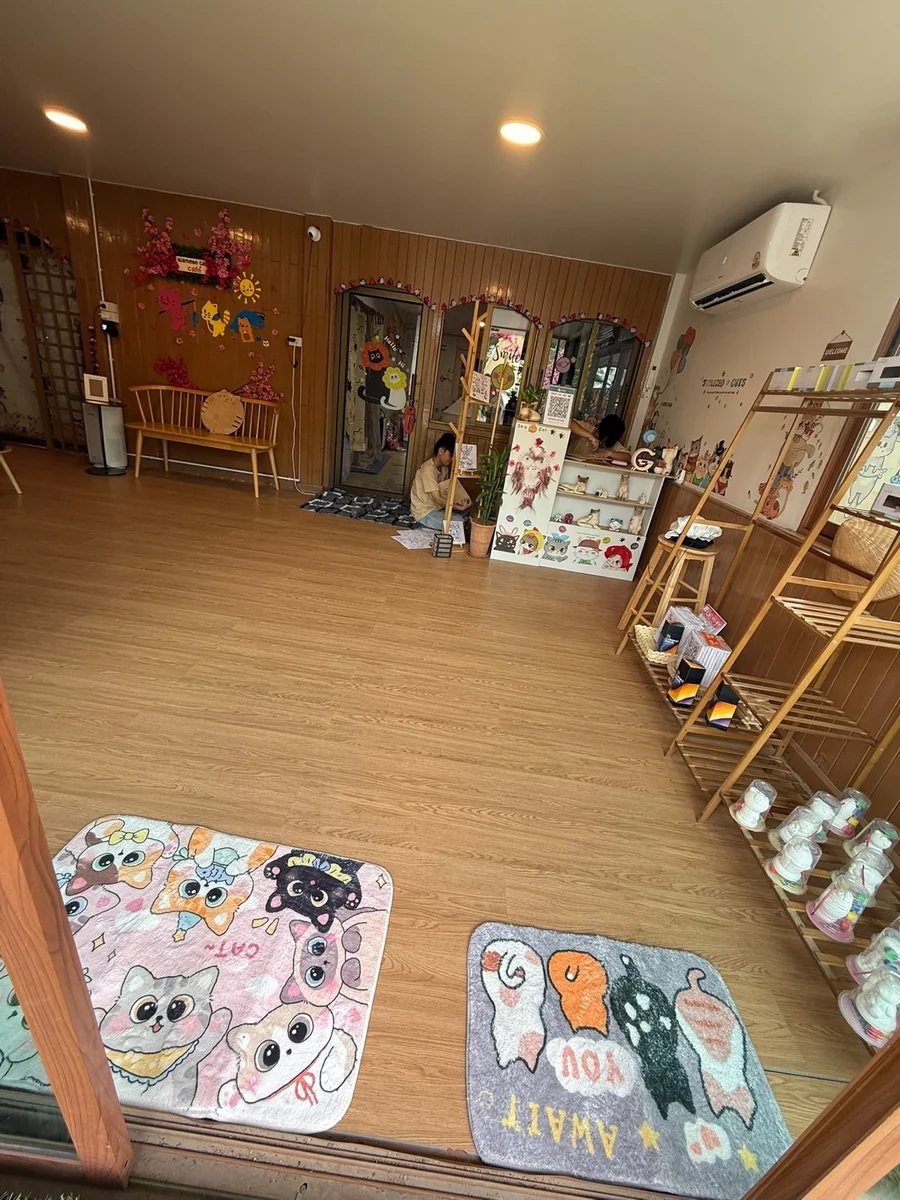
Build an after-school sequence that accounts for tiredness, homework, play, dinner and pickup without expecting every afternoon to run perfectly.
Read article →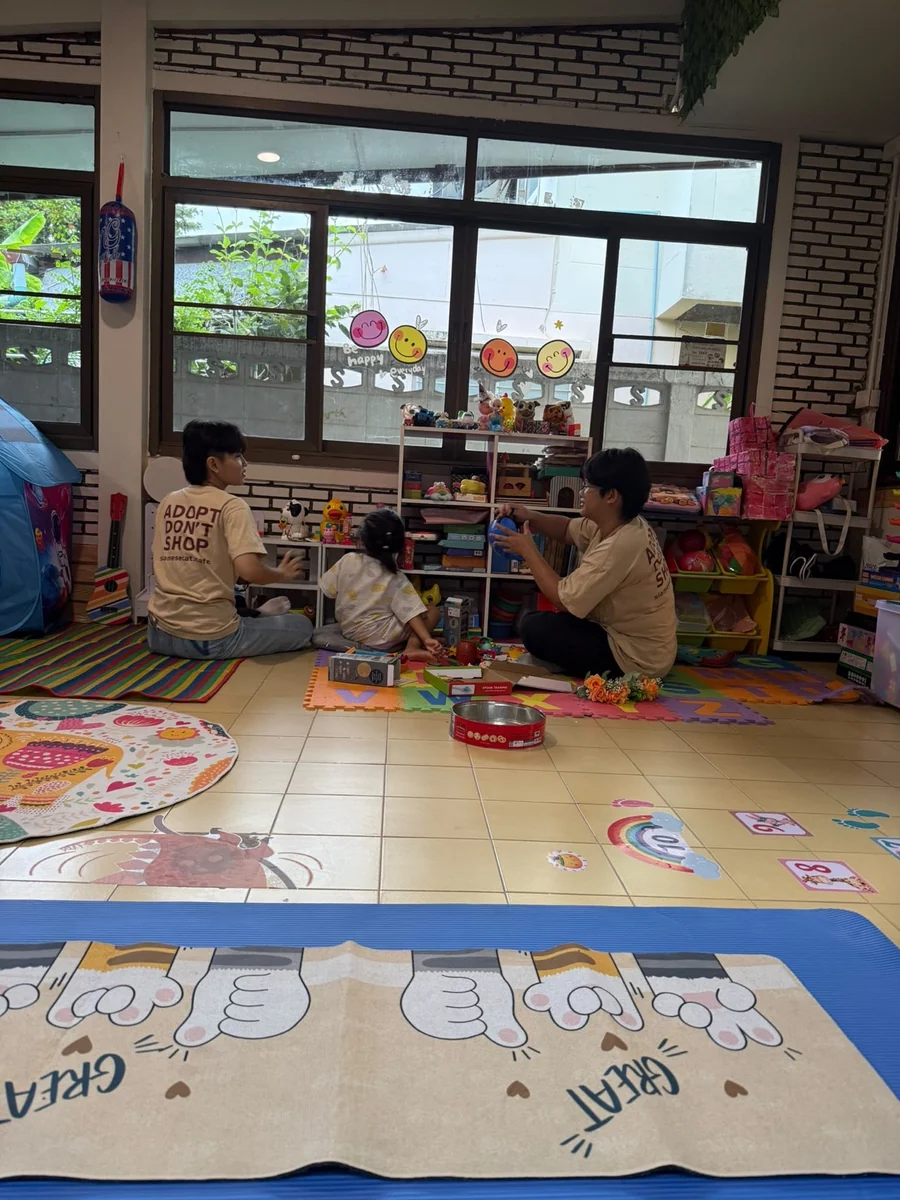
Choose between an indoor playground, specialist creative class and flexible playroom by your child’s energy, interests and the time available.
Read article →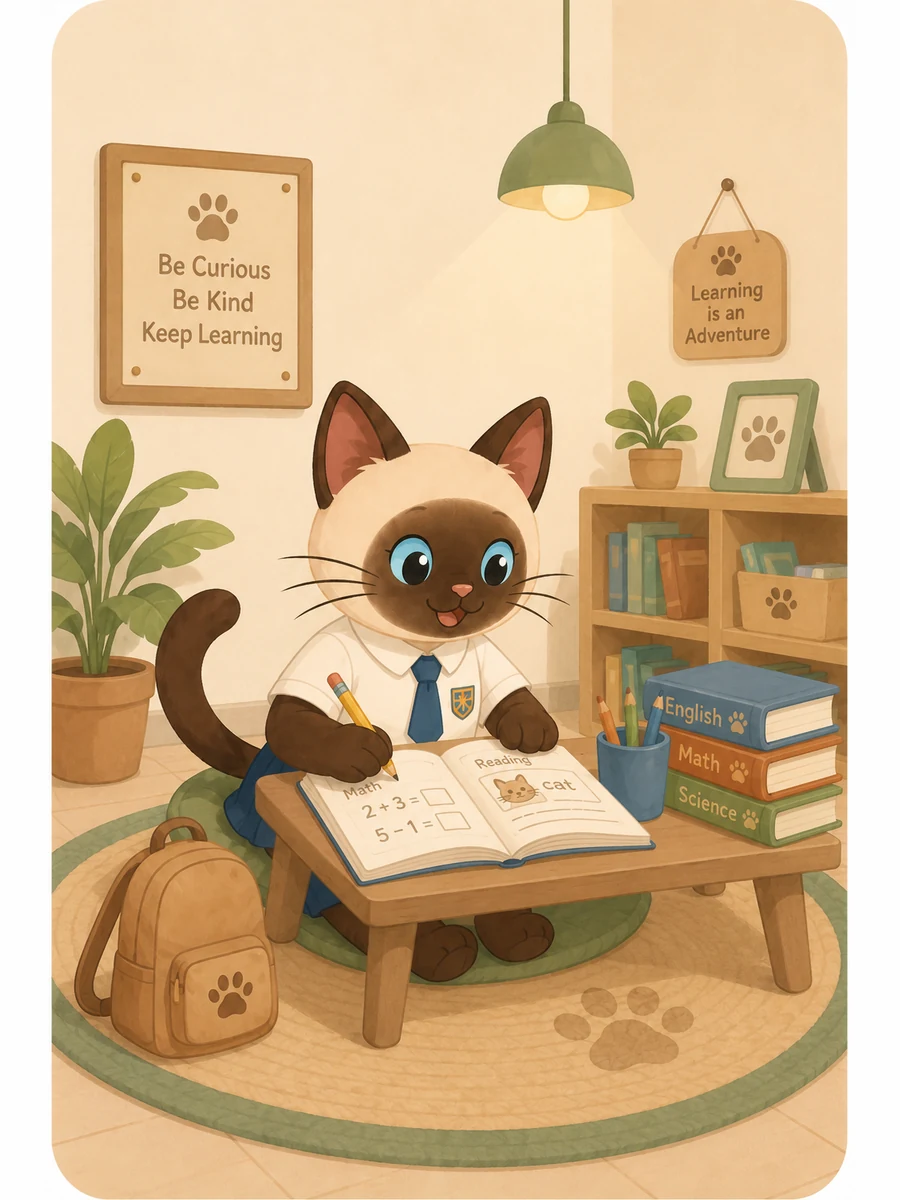
Understand what homework support normally covers, where tutoring begins and what to ask an after-school provider before enrolling your child.
Read article →Skip the standard attraction list. Compare ten distinctive family outings involving snakes, aircraft, puppets, cycling, science, cats and creative play.
Read article →Compare after-school care and tutoring by the problem your family needs to solve: supervision, homework, dinner, pickup or subject teaching.
Read article →The free 30-minute Coding with AI trial uses a real logic task to check communication, persistence and course readiness before parents commit.
Read article →Age six can be a reasonable starting point for coding, but attention, communication and willingness to test ideas matter more than the birthday alone.
Read article →Compare coding, robotics and LEGO-based STEM classes near Mega Bangna by what children build, how they learn and what parents should ask first.
Read article →A practical comparison of kids clubs, daycare, playgroups, gymnastics, indoor playgrounds and nanny care in Bangkok, with a focus on what families around Bangna and Mega Bangna actually need.
Read article →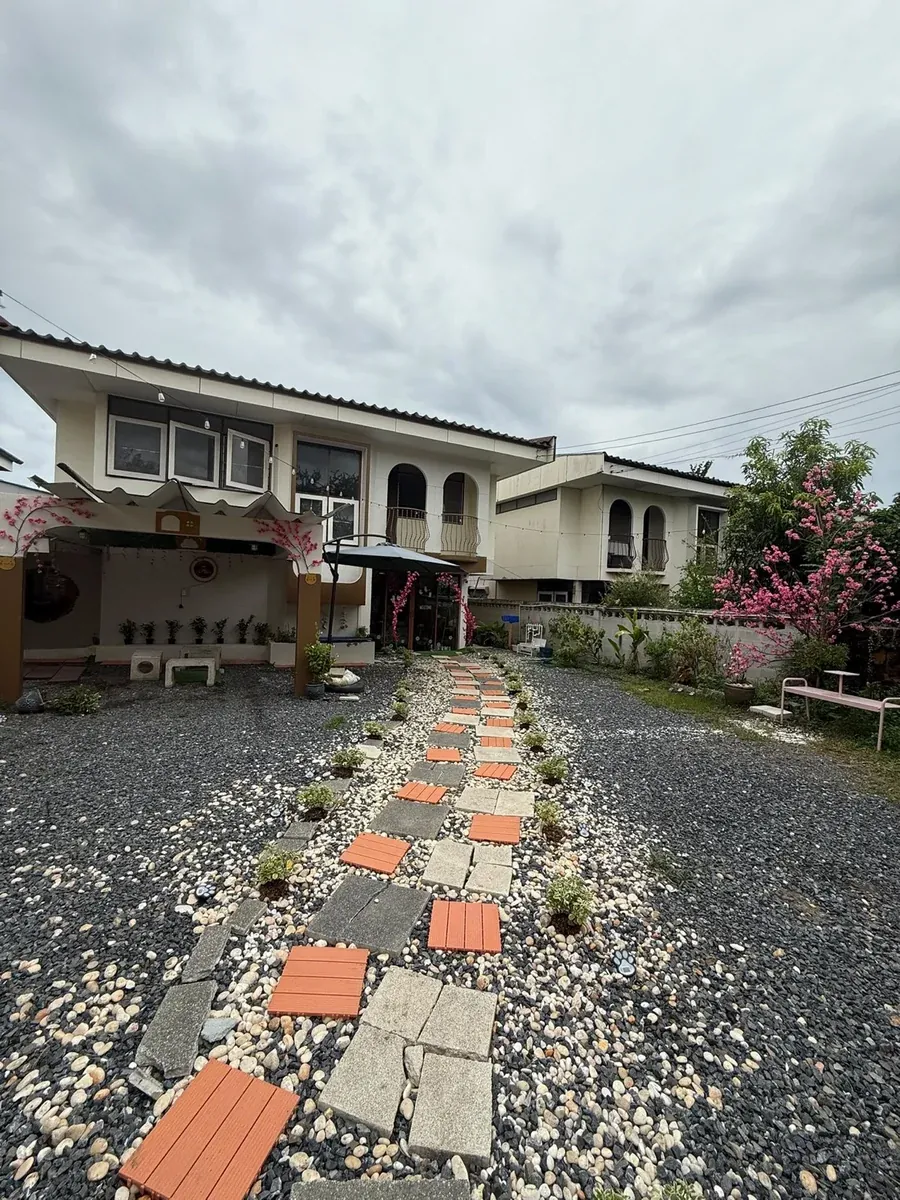
Thirty minutes and four hours require different plans. Choose a Bangna family activity from the time available, your child's energy and whether an adult needs to stay.
Read article →A longer session is not automatically a better first session. Compare one hour, two hours and half a day based on familiarity, separation and what you need to learn.
Read article →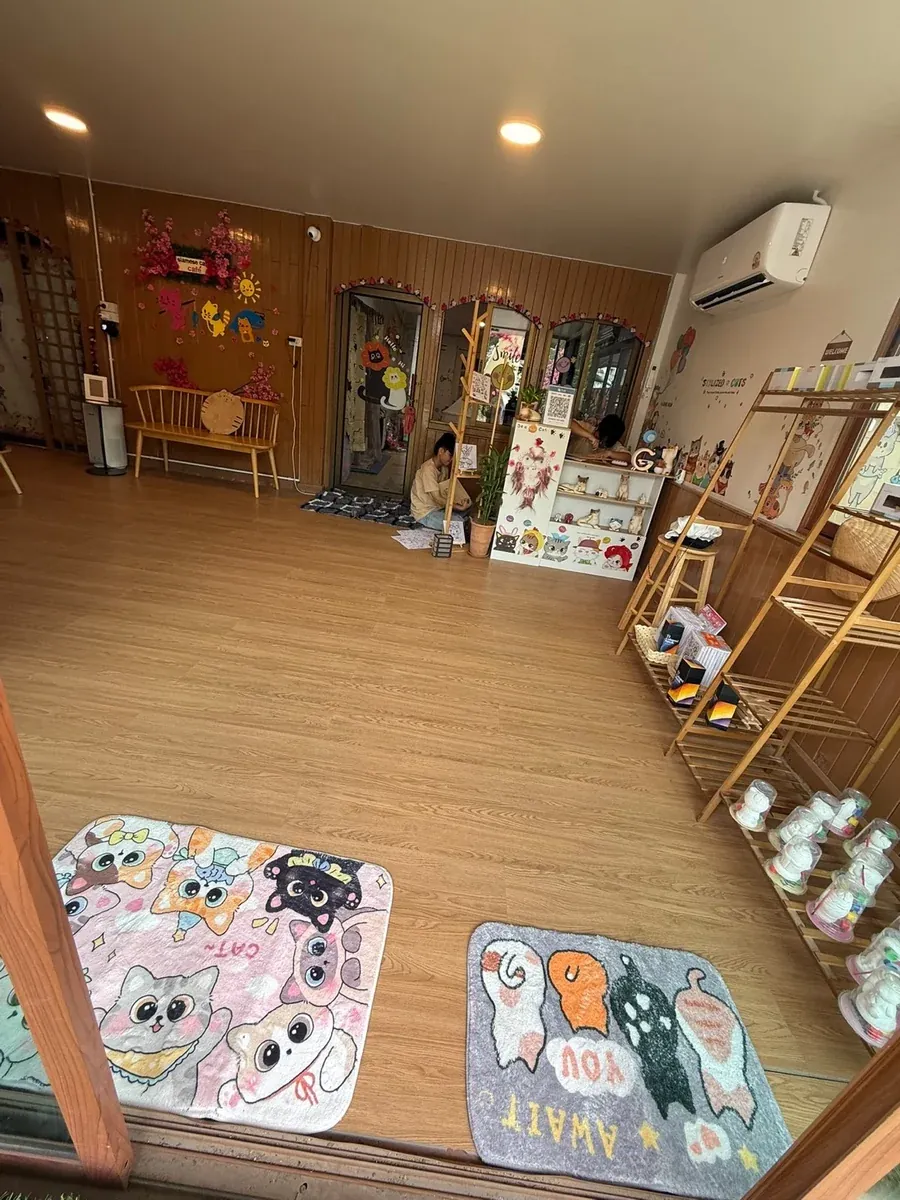
School finishes before the workday does. Compare realistic after-school options in Bangna and choose based on the hours you actually need to cover.
Read article →A practical way to shape evenings without turning bedtime into a battle, with clear separation between health guidance and everyday routine choices.
Read article →Five adaptable meal ideas, with texture, allergy and readiness checks parents should make before serving children under three.
Read article →Choose materials and routines that support reading, organization and confidence without filling every free hour with lessons.
Read article →Build school readiness through stories, play and small everyday responsibilities without turning home into another classroom.
Read article →Use stories, patterns, drawing, clay and building to adjust challenge around what the child can actually do.
Read article →Choose materials that invite talking, movement, matching and pretend play, and notice when an activity is too difficult or too long.
Read article →Create a short reading habit children want to return to, with timing, book and question choices that do not feel like a test.
Read article →Build a short, predictable wind-down that fits real family life without pretending one formula works for every child.
Read article →Turn vague screen-time rules into a clear before-and-after routine with realistic activities ready for the transition.
Read article →Treat calming down as a process, not a command, with simple language adults can use before a child is ready for a long explanation.
Read article →