
When Emotions Run High, Stopping the Cry Is Not the First Goal
Treat calming down as a process, not a command, with simple language adults can use before a child is ready for a long explanation.
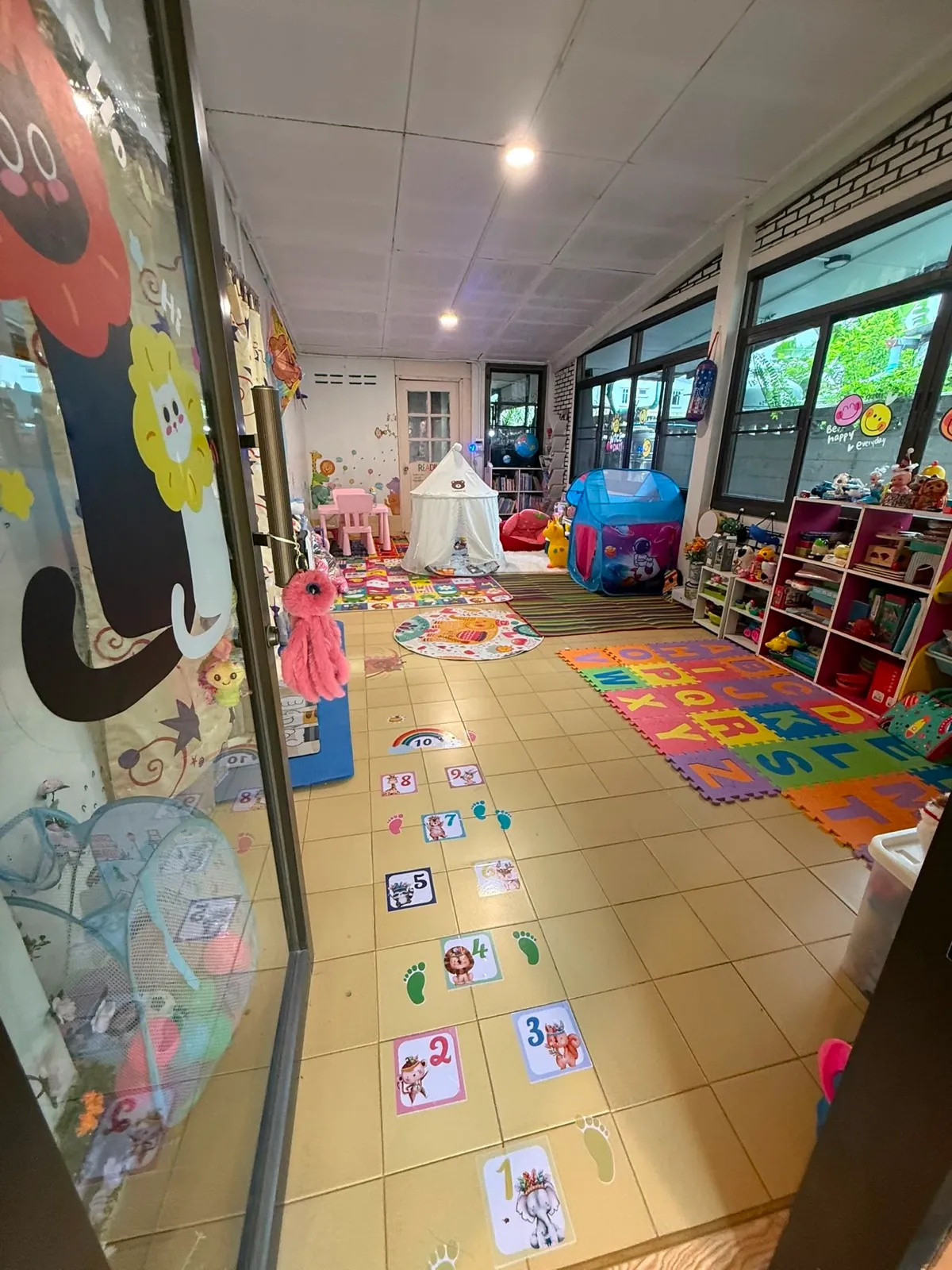
It often starts with something small: a shoe that feels wrong, a snack that came too late, a bedtime light that suddenly has to stay on. To an adult, the moment can look out of proportion. To a young child, it can feel like the whole day has become too much.
That is why good parenting advice should not sound like a lecture. Parents need something they can use in the hallway, at dinner, or five minutes before pickup. This guide brings together practical guidance from respected pediatric, developmental, and parenting sources on building emotional regulation in young children.
Expert Sources Considered
- American Academy of Pediatrics / HealthyChildren
- Harvard Center on the Developing Child
- ZERO TO THREE
- Daniel J. Siegel and Tina Payne Bryson
- Laura Markham
- Janet Lansbury
What the Experts Tend to Agree On
- Children borrow calm from adults before they can reliably create calm by themselves.
- Short, predictable routines reduce the number of emotional surprises in a child's day.
- A limit works best when it is simple, repeated, and paired with a safer replacement behavior.
- Teaching happens after the child is calmer, not at the peak of a meltdown.
- Parents should track patterns: hunger, sleep debt, transitions, noise, and overstimulation.
What This Looks Like in Real Homes
For parents, the goal is not a perfect household. The goal is a repeatable rhythm that helps a child know what happens next. Most hard moments become easier when the adult response is calm, the rule is short, and the next action is obvious.
This does not mean giving in. It means lowering the noise around the lesson so the child can actually hear it.
Use three steps:
- Prepare the environment before the difficult moment.
- Use the same short words during the difficult moment.
- Review and practice when the child is calm.
Where Parents Need Judgment
Experts do not always agree on every detail. Some emphasize responsiveness first. Some emphasize boundaries. Some focus on routines, language, sleep, or the child's nervous system. In daily life, these are not opposites.
A parent can be warm and still hold the line. A parent can be firm and still speak gently. The useful question is not "Which expert is right?" The useful question is "What does my child need in this moment so the next step becomes possible?"
A Practical 7-Day Plan
Day 1: Observe
Write down when the hardest moments happen. Look for sleep, hunger, transition, noise, and attention patterns.
Day 2: Choose One Rule
Pick one rule that matters most this week. Keep the words short and repeatable.
Day 3: Add a Replacement Behavior
Do not only say what to stop. Show what to do instead.
Day 4: Make the Routine Visible
Use pictures, objects, or the same sequence every day so your child can predict what comes next.
Day 5: Practice During Calm Moments
Children learn better outside the crisis. Practice the words and actions when everyone is regulated.
Day 6: Reduce One Trigger
Change one environmental trigger: earlier snack, quieter transition, shorter screen window, or more warning before cleanup.
Day 7: Keep What Works
Keep the smallest routine that produced calmer behavior. Small and consistent beats big and unrealistic.
Parent Scripts
- “I see you are upset. I will help.”
- “The rule is still the same.”
- “You can do this one step.”
- “Try this instead.”
- “We will practice again.”
A Small Next Step
Choose one difficult moment that happens almost every day. Do not redesign your whole parenting style tonight. Change the setup, choose one sentence, and repeat it for a week. Children often trust what they can predict.
When to Seek Extra Support
If behavior changes suddenly, sleep or eating becomes seriously disrupted, language regresses, aggression becomes unsafe, or parents feel unable to cope, it is reasonable to ask a pediatrician, child psychologist, speech-language therapist, or occupational therapist for guidance.