
A Practical After-School Routine: Snack, Homework, Play, Dinner and Pickup
Build an after-school sequence that accounts for tiredness, homework, play, dinner and pickup without expecting every afternoon to run perfectly.
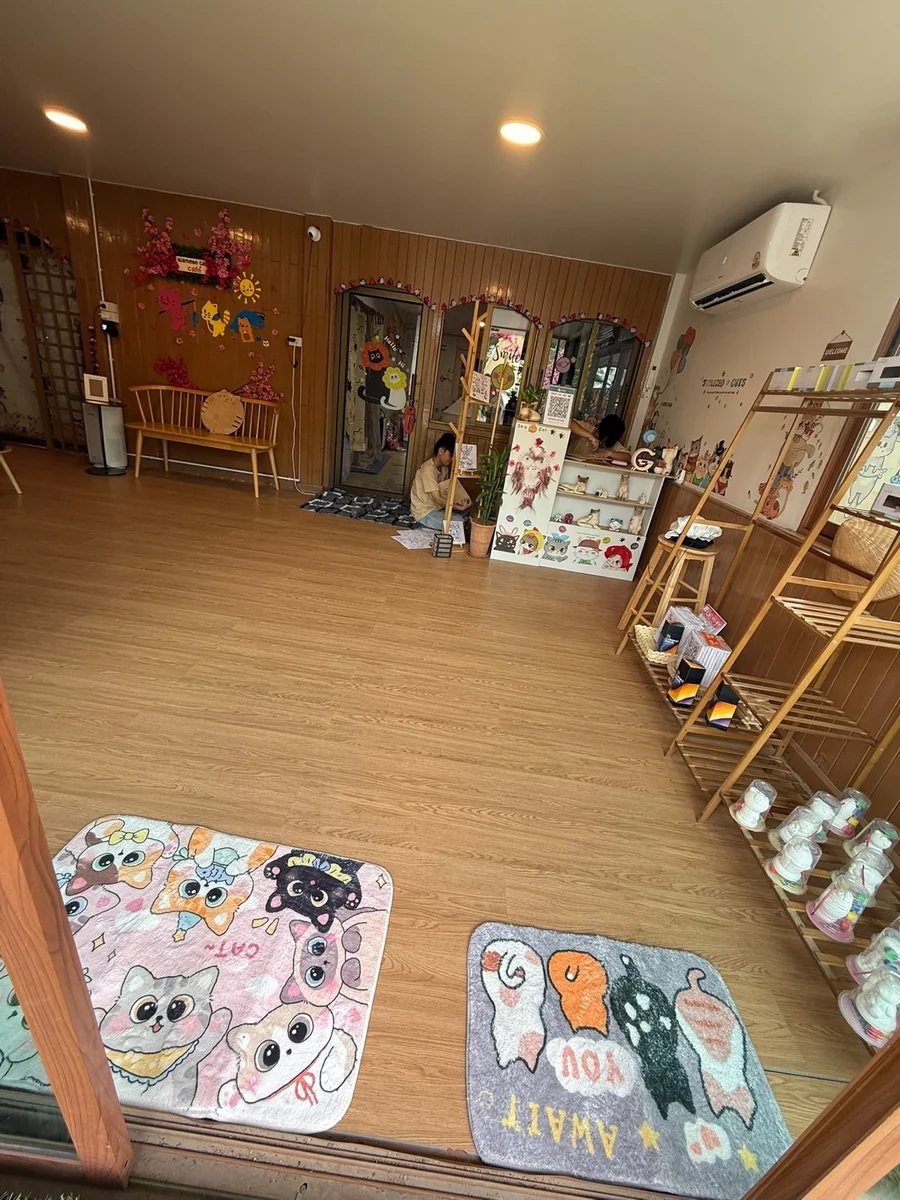
The difficult part of an after-school routine is rarely writing the timetable. It is expecting a child to move directly from a school day into the part adults care about most.
“Finish your homework, then you can play” looks efficient on paper. At 3:30, with a school bag on the floor and lunch long forgotten, it may be the least efficient order available.
A workable routine gives each transition a purpose. It also leaves enough flexibility for a child who arrives hungry, restless or unusually quiet.
Arrival: reduce the number of immediate demands
Start with simple physical actions: put down the bag, wash hands, drink water and identify what has been brought from school. The adult supervising does not need to ask five questions at the door.
This short arrival ritual marks a change of setting. It also catches practical problems early: a missing notebook, an untouched lunch or a message that affects pickup.
Reset: decide whether the child needs movement or quiet
Not every child decompresses in the same way. One may need ten minutes of movement. Another may want to draw or sit with a book. The aim is not to create a reward before homework; it is to make the next task possible.
Keep the choice limited. “Would you like quiet drawing or a short play first?” is easier to act on than “What do you want to do?”
Homework: define what support means
Set up the materials and identify the first task. Staff or an adult can offer reminders and basic clarification, but homework support should not silently turn into private tutoring.
If the child cannot understand the concept, record what remains instead of supplying a page of answers. Parents need to know whether the issue was time, attention, missing instructions or subject knowledge.
A child with no assigned work can use the same period for reading or another quiet activity. The routine remains recognizable without manufacturing homework.
Creative or active time: let the afternoon widen again
Once the focused task ends, offer a genuine change: Lego, coloring, clay, indoor play or outdoor play when conditions allow. The activity does not need to produce an educational claim. Making a small decision, joining a game or working on a piece can be enough for that part of the afternoon.
Avoid filling every minute. A child who has spent all day following a schedule may need a little unclaimed time.
Dinner: plan it before hunger decides the evening
If the child will stay through dinner, arrange food in advance and provide allergy or dietary information directly to the service. Meal timing should fit the expected pickup rather than simply happen at closing time.
At Siamese Cat Creative Club, Meal Care is a separate After School Explorer add-on, currently published at 299 THB for one child-friendly food item and one drink with staff support during the meal. It should be requested in advance when possible.
Pickup: end with information, not an interrogation
The authorized adult needs the essentials: what was attempted, whether anything remains, whether the child ate and any issue that affects the evening. The child does not need to perform a full report while putting on shoes.
After School Explorer follows this general sequence—arrive and settle, homework or quiet focus, create and play, then dinner and pickup when arranged. It is a framework rather than a guarantee that every afternoon will look identical.
Build your family routine around the fixed points first: school finish, supervision, food and collection. Then decide where focused work and free play genuinely fit. A routine becomes useful when it survives an ordinary tired Wednesday, not when it looks perfect on Sunday night.
Explore After School Explorer session and Meal Care options.